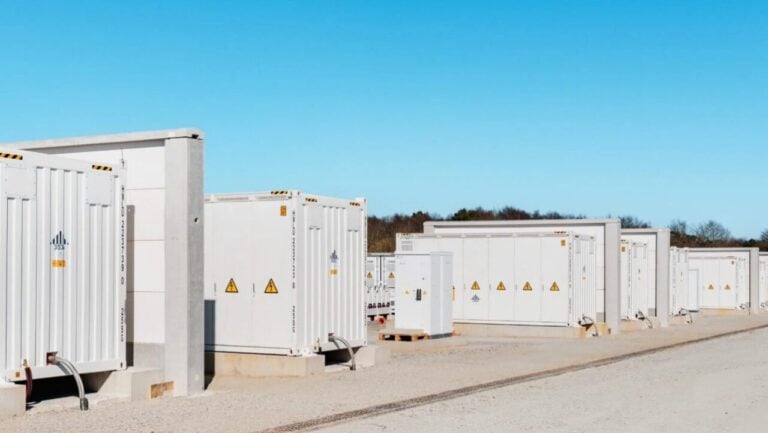
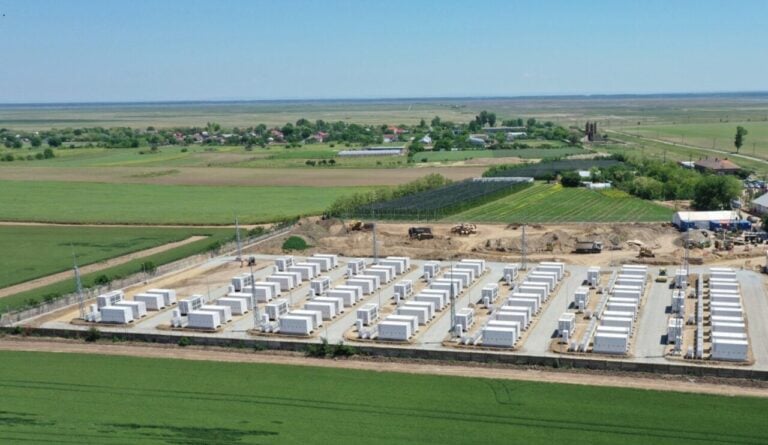
BloombergNEF forecasts 158GW of global energy storage deployments in 2026
After reporting a record 112GW of global non-pumped hydro energy storage installations in 2025, BloombergNEF (BNEF) expects to see a 41% increase this year.

Hotel Villa Pamphili Roma, Rome, Italy
After reporting a record 112GW of global non-pumped hydro energy storage installations in 2025, BloombergNEF (BNEF) expects to see a 41% increase this year.
Leading European BESS owner-operators discuss the roles of subsidy schemes, contract revenues and merchant approaches in helping the continent build out its BESS pipeline.
What are the system needs that LDES is going to solve, and what technologies are most appropriate for those applications?
A quartet of Germany BESS project announcements: Green Flexibility has completed a project, Suncatcher has enlisted Statkraft to optimise three solar-plus-storage ones, SWB and Be.storaged are together building a system, while ArcelorMittal has enlisted EDF Power Solutions to do so.
Large-scale BESS projects have been progressed to construction, financing or operations across the EU this week, by project owners, investors and EPC firms re:cap, LONGi, Teos, Flower, Goldbeck Solar, SPP and Tavion.
There’s been progress on several large-scale BESS projects in the UK, with Matrix Renewables securing financing for its Eccles project and BW ESS enlisting EDF to optimise its Hams Hall one; plus smaller announcements.
IPP Grenergy has entered into a long-term toll with an ‘investment grade’ international utility for a solar PV co-located BESS of 680MWh in Spain.
How can energy storage capitalise on energy price volatility in European markets, and how do investors need to think about future opportunities and challenges? An expert panel at the Energy Storage Summit 2026 in London in February dived into the topic.
US portfolio acquisition news from Goldman Sachs-backed BrightNight and Excelsior Capital-backed Lydian, and finance from AXA-backed ILOS Projects in Europe.
How much long-duration energy storage (LDES) does the UK system need, is the government’s cap-and-floor the right way to procure it, and what does the long-term picture look like?